#vintage
Instead of sticking to one decade, designers are layering different eras together without taking the rules too seriously.
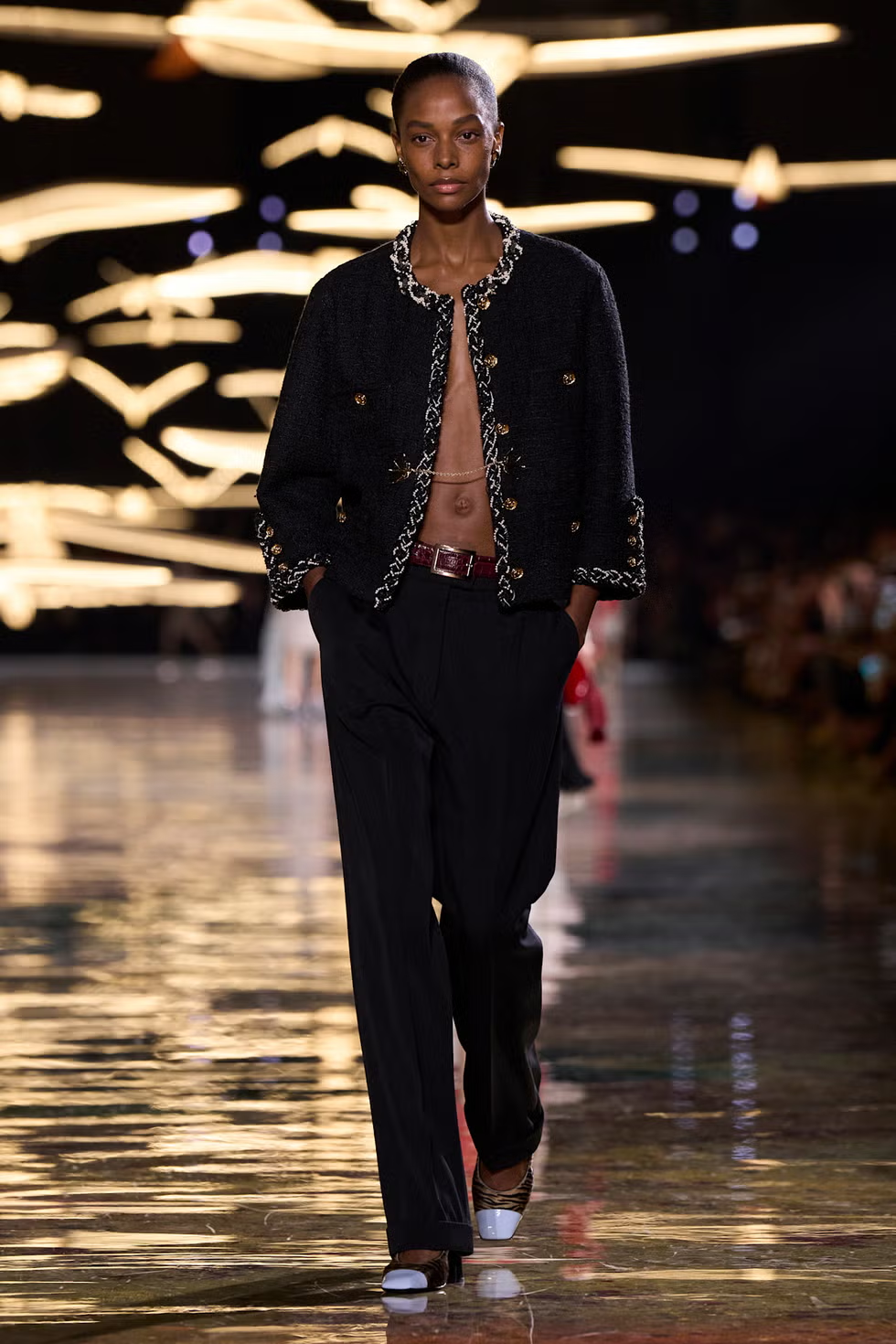
Backstage after Chanel’s Spring 2027 Paris show—where skirt-suited models strolled beneath a dramatic canopy of midflight birds—Matthieu Blazy shared the unexpected inspiration behind the collection: picking up his teenage nephew from school. Watching the students, Blazy was taken by how effortlessly they broke fashion rules. “They wear a lot of vintage. They are not dictated by a decade—they are a lot more free,” he said. “They wear something from the ’30s, ’50s, ’70s. I wanted to expand on that.” One look in particular felt less like a runway styling exercise and more like what a chic guest would wear to attend the show: an archival-style Chanel jacket paired with new-season shoes, black trousers, eclectic jewelry, and a worn-in belt. It was hardly an outlier. Across the collection, a nostalgic sensibility took center stage—knee-length skirt suits layered with heaps of necklaces, men’s shirting paired with relaxed tailoring and leather separates, and tiny white tank tops peeking out from beneath tweed jackets pinned with oversized floral brooches.
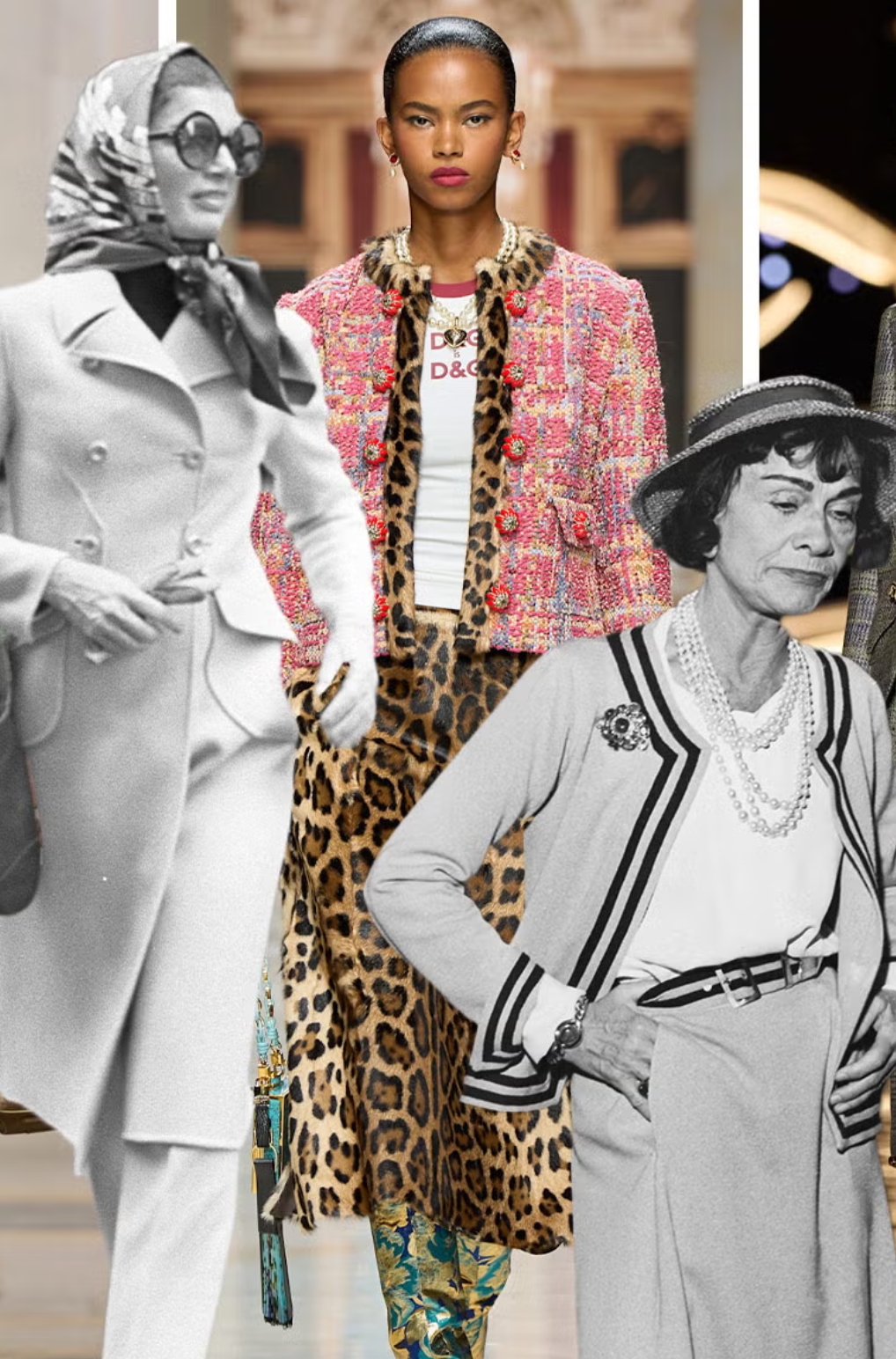
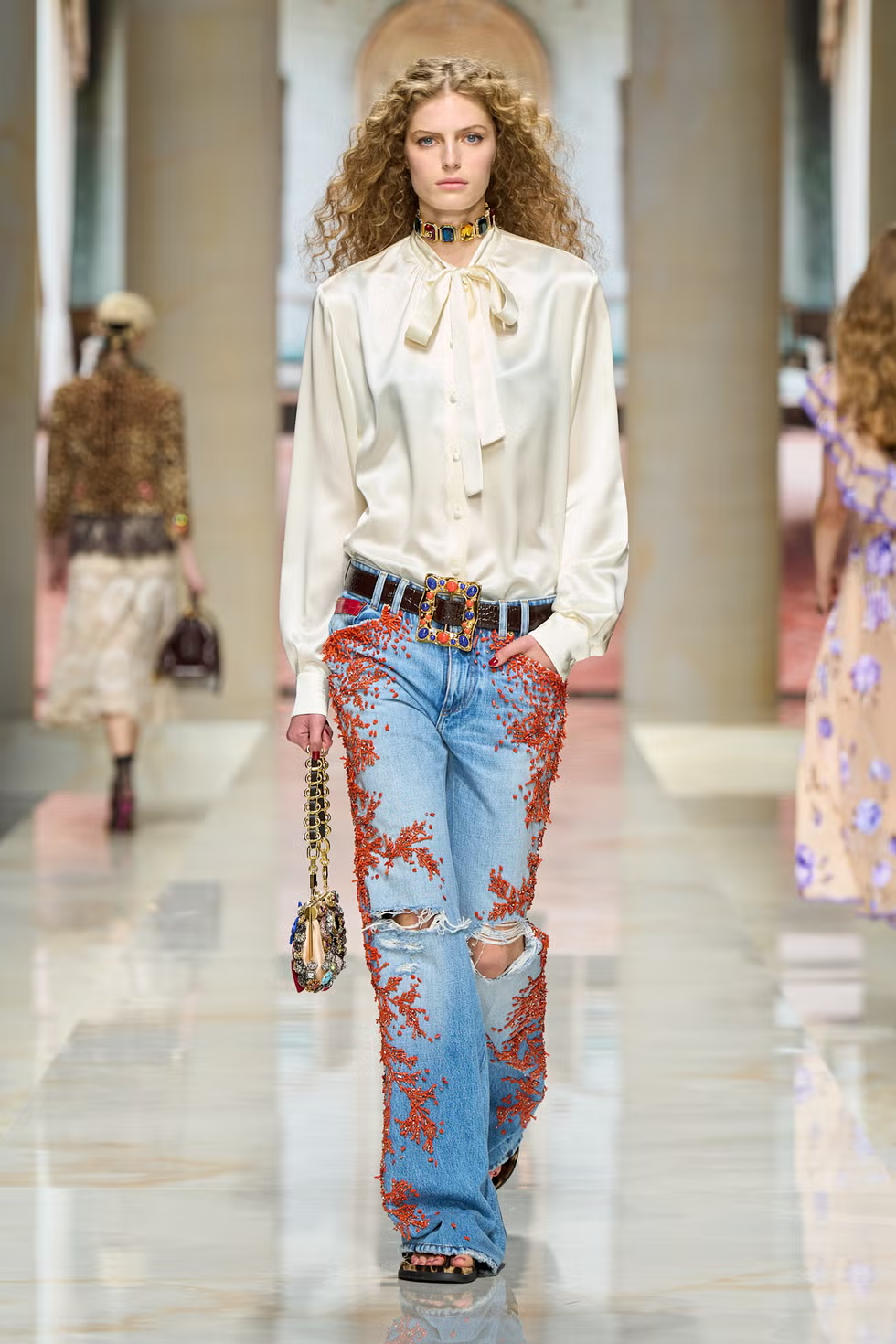
Collecting vintage—or simply keeping clothes long enough for them to earn the label—was once an insider pastime. Now, young shoppers are growing up fluent in resale: ThredUp’s 2026 Resale Report found that 62 percent of Gen Z bought secondhand last year. Even Bollywood celebrity Akshay Kumar stated in his recent interview, that his son prefers thrift shopping instead of buying new. Building a wardrobe across multiple eras isn’t a niche styling trick for Gen Z; it’s the default. Naturally, designers are taking notes. A week earlier in Milan, just before Dolce & Gabbana’s show began, a voice over the loudspeaker invited the audience into “the wardrobes of Sicily’s grand houses—clothes once worn by great-grandmothers, grandmothers, mothers, aunts and daughters. A slip dress is worn over a jacket, antique lace meets contemporary pieces, lingerie and eveningwear coexist, and the precious and the everyday merge in an unexpected balance.” On the runway, the styling played out like a raid on a grandmother’s closet: an antique pussy-bow blouse paired with ripped, embellished jeans; a D&G baby tee layered beneath a leopard-trimmed tweed jacket.
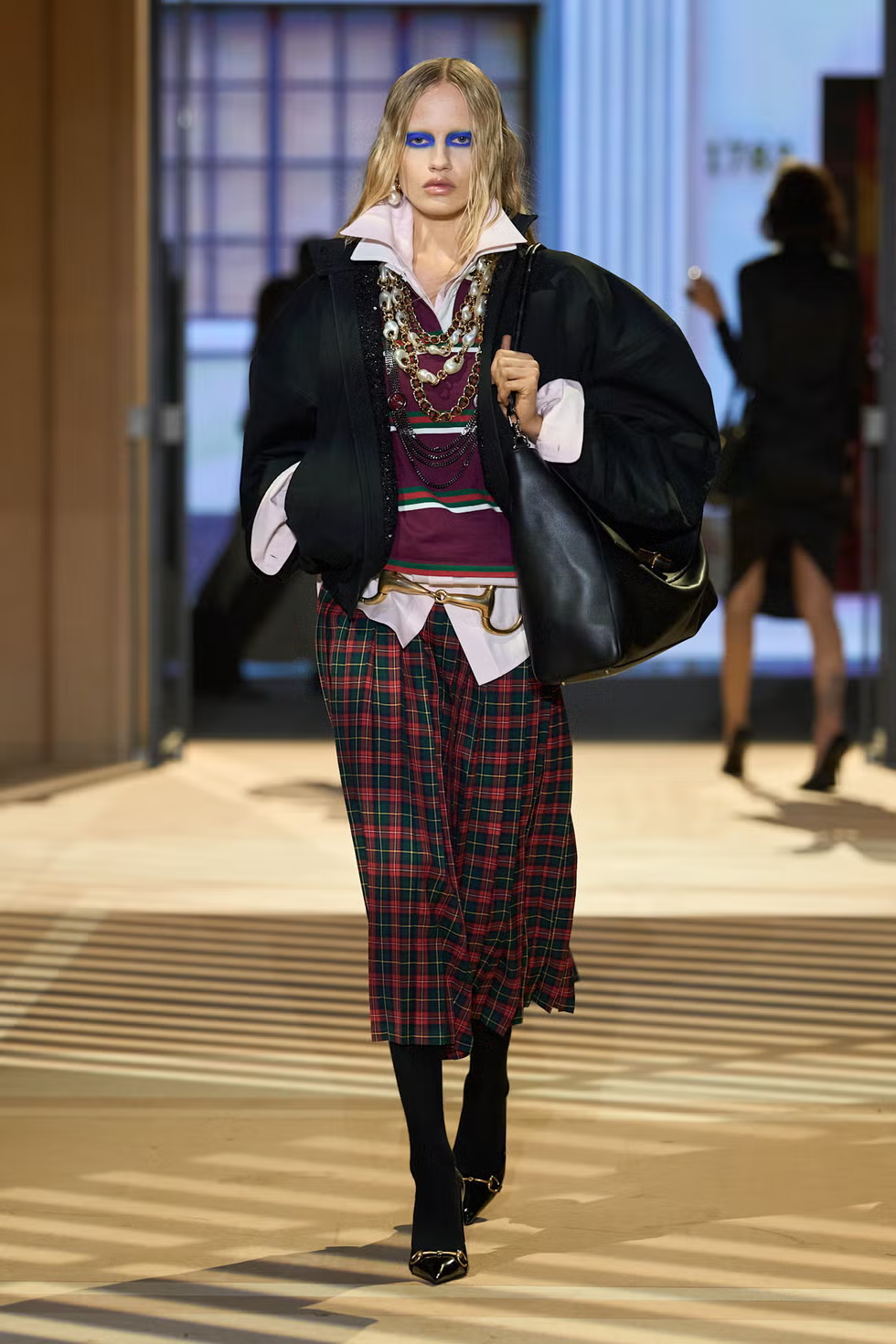
At Gucci, Demna took aim at bourgeois archetypes, spotlighting “the rebellious aristocrat.” On the runway, rugby shirts, pleated tartan skirts, and voluminous bomber jackets collided with oversized horsebit belts and heaps of layered necklaces. As Demna mused afterward, the look channeled what a “blue-blooded child of an aristocrat might wear to the private school that she hates.” Every piece told a story: a uniform kilt paired with a thrifted rugby polo and a leather jacket borrowed from her dad’s closet, styled without a second thought to decade or origin.
Putting “vintage” on a runway is a contradiction in terms: runways are built for the new, while vintage is, by definition, old. Still, the movement has less to do with a garment’s actual age than with adding depth and character to a look. This isn’t the faux-distressed aesthetic of seasons past. It’s a push for idiosyncrasy in an industry that had become overly curated, uniform, and dominated by “quiet luxury”—a welcome dose of irreverence.
Few brands illustrate this shift better than The Row, which practically wrote the playbook for early-2020s minimalism. To evolve without losing its core customer, Mary-Kate and Ashley Olsen spent Spring 2027 draping and knotting antique linens, lace, and doilies over their usual uniform of sleek black trousers and perfectly rumpled trench coats. Layered dainty beads and singular chunky necklaces finished the looks, injecting a subtle dose of bohemian eclecticism.
Fashion can no longer treat vintage as a fringe obsession—it’s simply how people shop now. As the resale market gains momentum, it poses an unusual challenge for luxury labels: houses are increasingly competing against their own archives. Just look at the runaway demand for early-2000s Pucci and Etro on the secondhand market. One solution has been the strategic reissue, with house icons like Chloé’s Maxime wedge and McQueen’s skull scarf slipping seamlessly into recent collections. Legacy creative directors have always had to converse with their archives and predecessors—but the sharpest designers know how to make that history work in their favor.
Look at Blazy at Chanel, where he balances Gabrielle “Coco” Chanel’s mid-century legacy against Karl Lagerfeld’s decades-long reign from the ’80s through the 2010s. Rather than running from the retro connotations of a knee-length skirt suit in nubby fabric, Blazy leaned right in. He didn’t reinvent the silhouette from scratch; instead, he reframed it through nuanced shifts in texture, fabric, and styling—even pairing Gabrielle’s original 2.55 bag with a gauzy white cocktail dress and a classic black skirt suit.
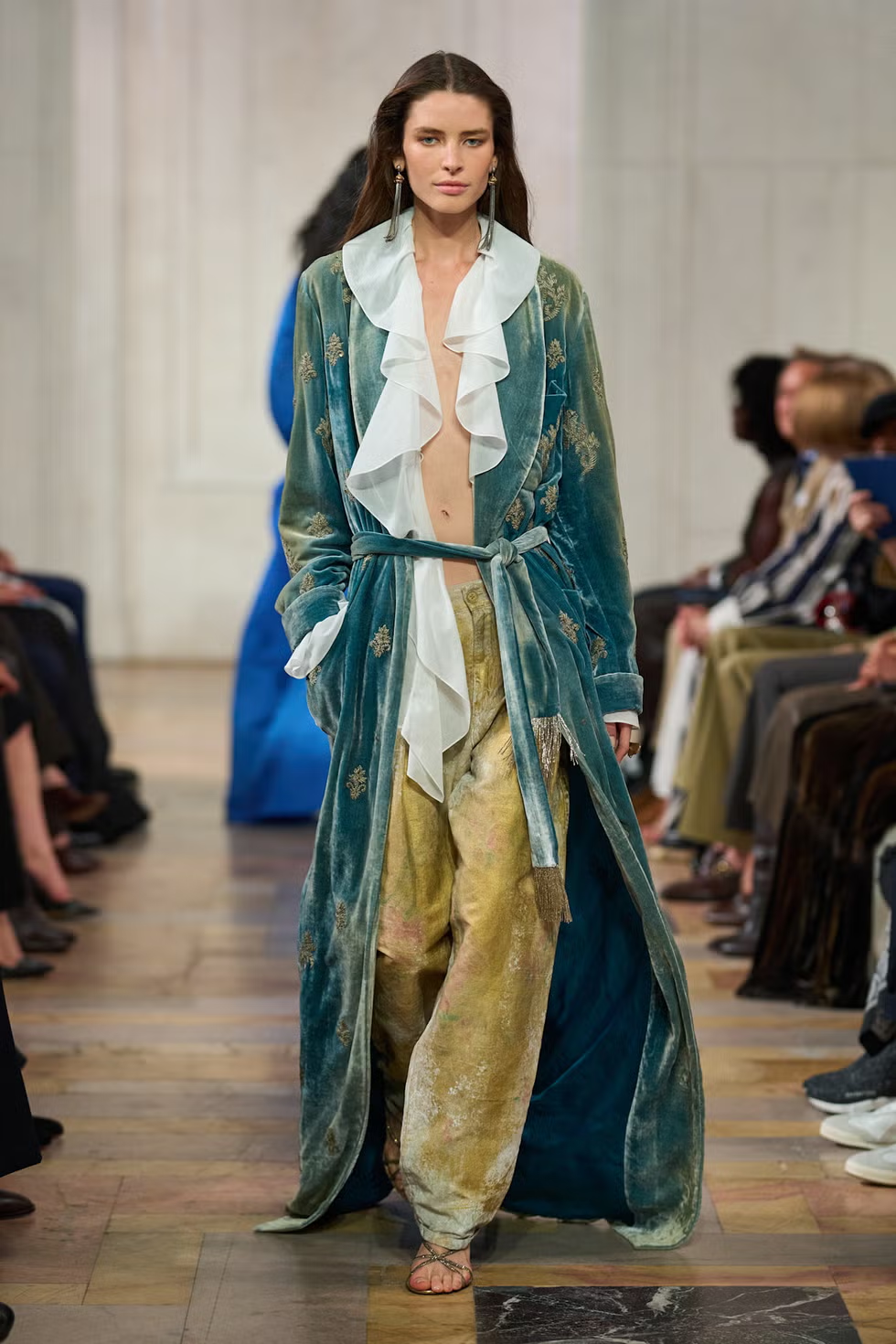
Mining his own greatest hits, Ralph Lauren delivered a spring mashup of old and new—blending Americana Western wear prep, English aristocratic tropes, and utilitarian workwear by pairing pocket-watch-draped waistcoats, brocade evening jackets with distressed denim, and ruffled blouses with metallic skirts.
That friction between pieces is what channels the essence of a true vintage lover—someone who dresses with depth, nuance, and deliberate contrast. What young people do effortlessly is notoriously tough to fake on a runway, and that tension is precisely the appeal: it turns models from mere mannequins into full-fledged characters whose stories you actually want to read.
That’s All!!